




Buying Guides
Kodak 35mm Film Guide: Kodacolor, Gold, UltraMax & Ektacolor Pro

Sep
Choosing Kodak 35mm film starts with your light, your subject and how much you want to spend per roll. Kodacolor 100 suits bright outdoor scenes; Kodacolor 200 and Gold 200 are everyday daylight options; UltraMax 400 adds flexibility as the light changes. Ektacolor Pro 160, 400 and 800 give portrait and event photographers three different film speeds to work with.
Buffalo Imaging has added these seven color-negative films to our 35mm film selection. Every option in this guide is a 36-exposure roll, with selected multipacks available for photographers, photo labs and retailers buying more than one roll.
Use the comparison below to narrow your choice, then follow the product links for current ordering options. This guide combines Kodak’s published product information with practical exposure and buying considerations; it is not a side-by-side lab test.
Kodak 35mm Film Comparison: Which Roll Fits Your Photography?
| Film | ISO | Good starting point for | Pack options |
|---|---|---|---|
| Kodak Kodacolor 100 | 100 | Bright outdoor scenes and deliberate daylight shooting | Single roll |
| Kodak Kodacolor 200 | 200 | Everyday daylight photography on a modest budget | Single roll |
| Kodak Gold 200 | 200 | Daylight travel, family photos and a 3-pack option | Single or 3-pack |
| Kodak UltraMax 400 | 400 | Changing daylight, street photography and moving subjects | Single or 3-pack |
| Kodak Ektacolor Pro 160 | 160 | Portraits with plentiful daylight or controlled lighting | Single roll |
| Kodak Ektacolor Pro 400 | 400 | Portraits and events with changing light | Single or 5-pack |
| Kodak Ektacolor Pro 800 | 800 | Dimmer scenes where an extra stop helps | Single roll |
Prices checked September 8, 2026. Prices and availability may change. Product pages show current options; taxes, applicable shipping and lab services are additional.
New to Buffalo Imaging: Understanding the Kodak Film Names
The yellow boxes can look similar, but the complete name matters. Kodak lists Kodacolor 100, Kodacolor 200, Gold 200 and UltraMax 400 in its consumer range, while Ektacolor Pro 160, 400 and 800 sit in its professional range. The numbers identify film speed, not exposure count or image resolution.
For this guide, “new” refers to additions to Buffalo Imaging’s selection. It does not mean every film is a newly invented emulsion. We focus on the exact products you can order here, rather than treating every Kodak announcement or format as part of our current inventory.
Kodak’s consumer film range and professional film range provide the manufacturer’s current naming and product positioning.
Kodacolor 100 vs Kodacolor 200: Start with the Light
Kodak Kodacolor 100: A Bright-Day Starting Point
Kodak Kodacolor 100 is an accessible choice for a sunny walk, outdoor architecture or a daytime trip. Kodak describes it as a daylight-balanced color-negative film with fine grain, saturated color and good sharpness. Its slower speed makes plentiful light especially useful. See Kodak’s Kodacolor 100 product information.
Choose it when you can plan around daylight. If your afternoon includes shaded streets or moving people, the extra sensitivity of ISO 200 or 400 may matter more than choosing a slower film. At Buffalo’s listed $8.52 single-roll price, Kodacolor 100 and Kodacolor 200 cost the same, so light is the more useful deciding factor.
Kodak Kodacolor 200: More Exposure Flexibility
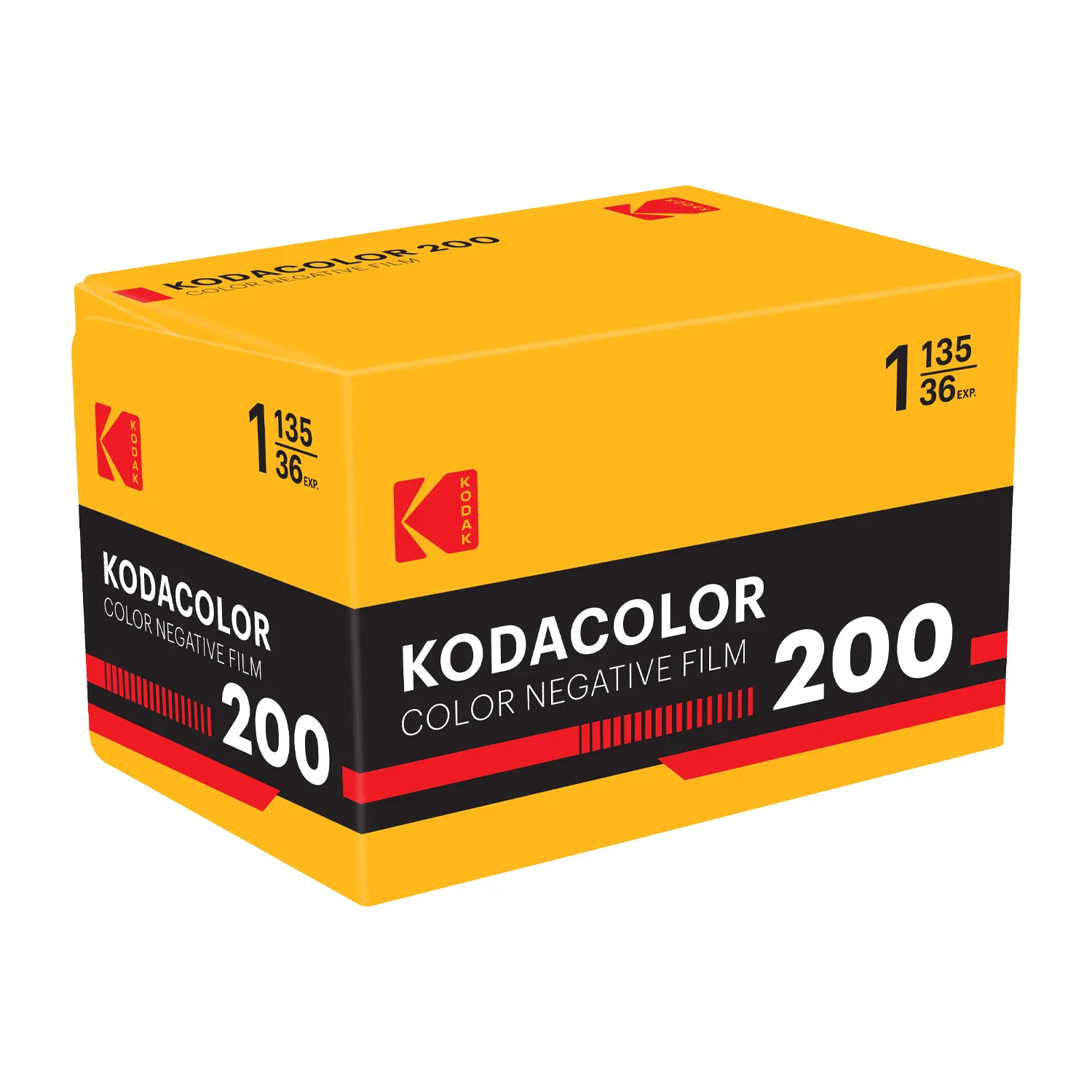
Kodak Kodacolor 200 moves up one stop from ISO 100. Kodak positions it for general photography, with a combination of fine grain, saturated color and consistent reproduction. See Kodak’s Kodacolor 200 product information.
One stop is a practical difference: if a scene calls for 1/125 second at ISO 100, ISO 200 permits approximately 1/250 second at the same aperture. That can help when handholding a camera or photographing someone walking. It does not turn a dark room into an easy available-light scene.

Kodak Gold 200 vs UltraMax 400: Daylight Value or Extra Speed?
Kodak Gold 200: Everyday Color with a Multipack Option
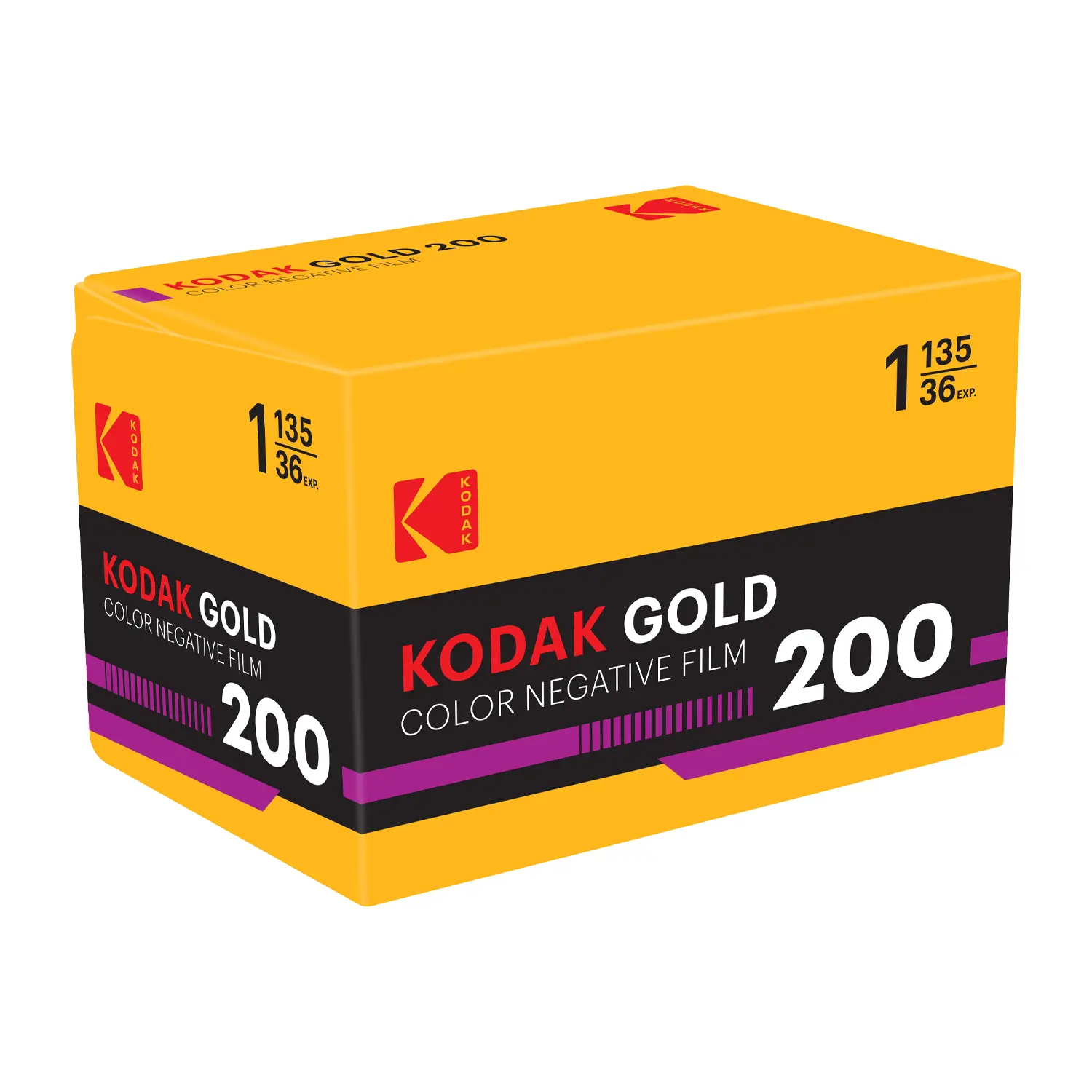
Kodak Gold 200 is a sensible starting point for daylight travel and family photography. Kodak emphasizes vibrant color, fine grain and broad exposure latitude. That latitude offers some tolerance for exposure variation, although metering carefully remains worthwhile. See Kodak’s Gold 200 product information.
Gold 200 and Kodacolor 200 share the same nominal speed, so neither gives a shutter-speed advantage over the other. If you already like Gold, its three-roll option is a straightforward way to buy more of a familiar film. If you are comparing their looks, shoot both through the same camera and lab before committing to a larger order.
Kodak UltraMax 400: A Flexible Everyday Choice
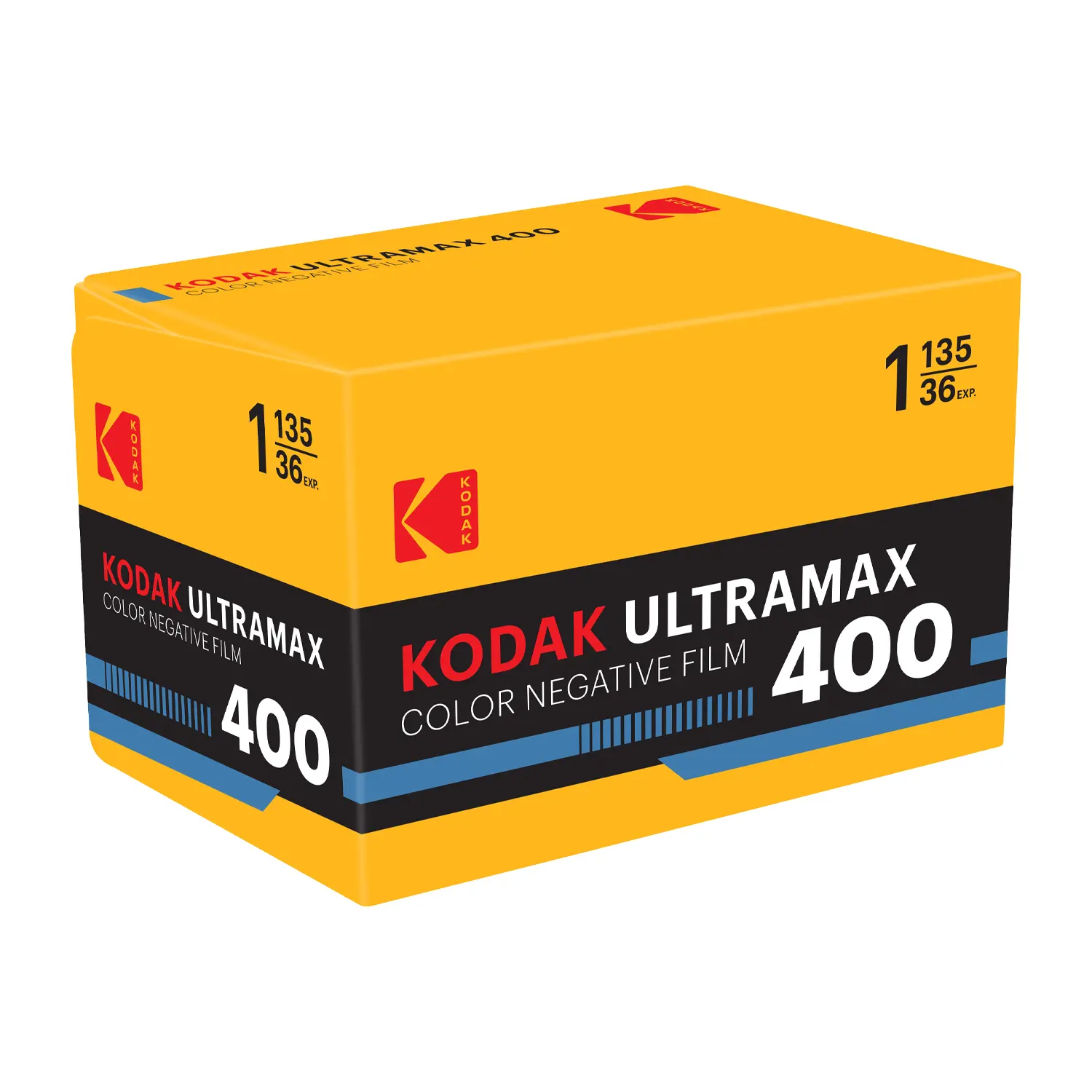
Kodak UltraMax 400 is worth considering when a trip includes sun, cloud and shaded streets. Kodak highlights its usefulness for everyday scenes and action. Its higher sensitivity can support faster shutter speeds, helping reduce blur when the camera’s exposure system makes use of that extra speed. See Kodak’s UltraMax 400 product information.
Compared with Gold 200, ISO 400 gives one additional stop. A metered 1/125-second exposure becomes approximately 1/250 second at the same aperture. For a photographer following children or exploring changing light, that practical benefit may justify the $1.27 difference between the listed single-roll prices.
Choose Gold 200 when daylight is reliable and per-roll cost matters. Choose UltraMax 400 when the day is less predictable and you would rather have extra shutter-speed flexibility.
Ektacolor Pro 160 vs 400 vs 800: Match the Speed to the Session
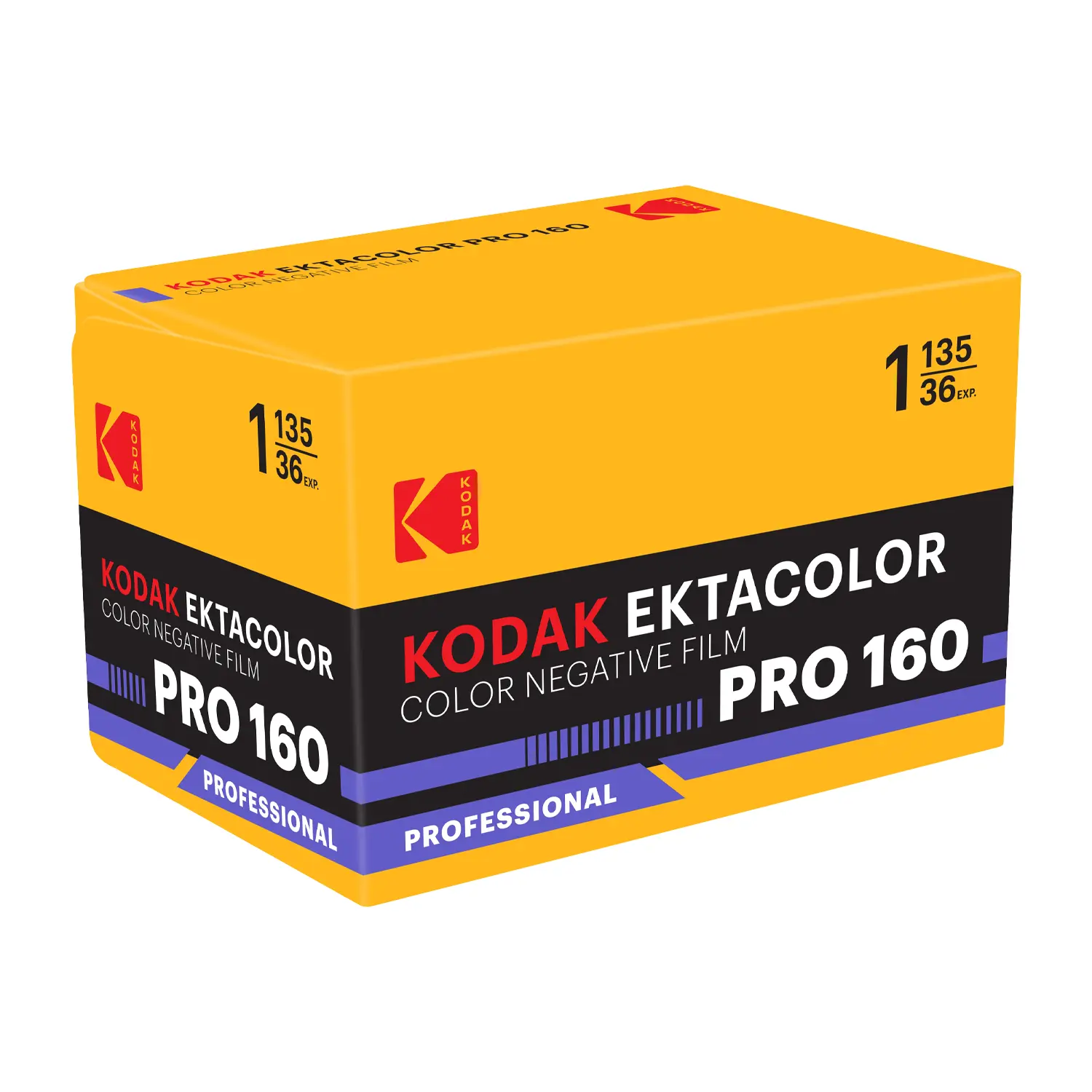
Kodak Ektacolor Pro 160: Portraits with Light You Can Control
Kodak Ektacolor Pro 160 makes sense for outdoor portraits in good light or sessions supported by suitable studio lighting. Kodak emphasizes natural skin tones, soft color reproduction and very fine grain. See Kodak’s Ektacolor Pro 160 product information.
Its slower speed is the tradeoff. If your subject moves into deep shade, you may need a wider aperture, slower shutter or additional light. Choose it because the session suits that speed, rather than assuming a professional label removes exposure limitations.
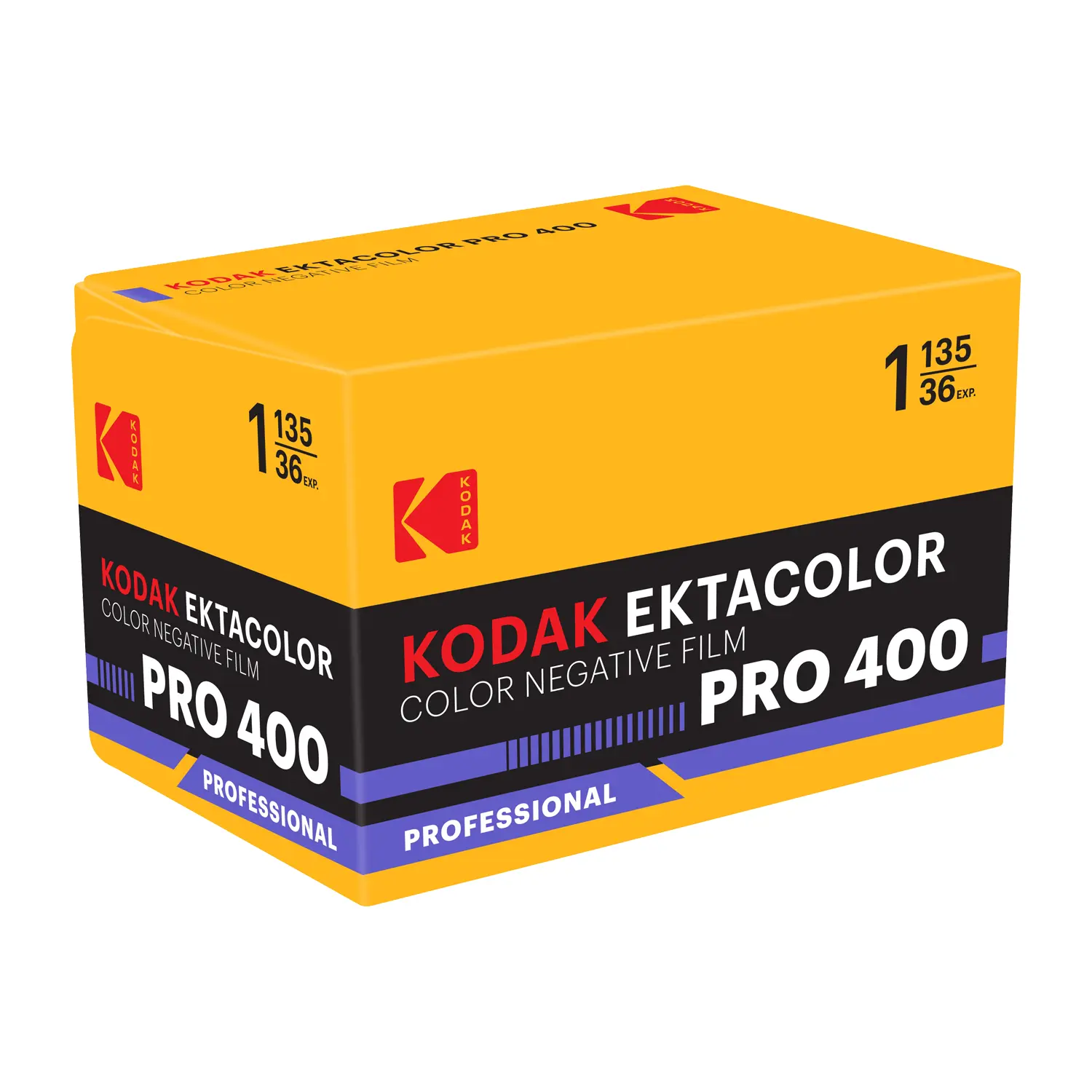
Kodak Ektacolor Pro 400: A Middle Ground for People and Events
Kodak Ektacolor Pro 400 is a practical option for photographers moving between locations or working with people in changing light. Kodak highlights skin-tone reproduction, fine grain and exposure latitude. See Kodak’s Ektacolor Pro 400 product information.
It shares ISO 400 with UltraMax, so paying more does not buy another stop of sensitivity. The choice is about the film’s intended rendering and your workflow. For casual snapshots, UltraMax may meet the brief at a lower cost; for portrait work, Ektacolor Pro 400 is worth testing against your preferred lab scans.
Buffalo offers this film as a single roll or a five-roll pack. Start with one if it is new to your workflow, then consider the pack once you know it fits the work.
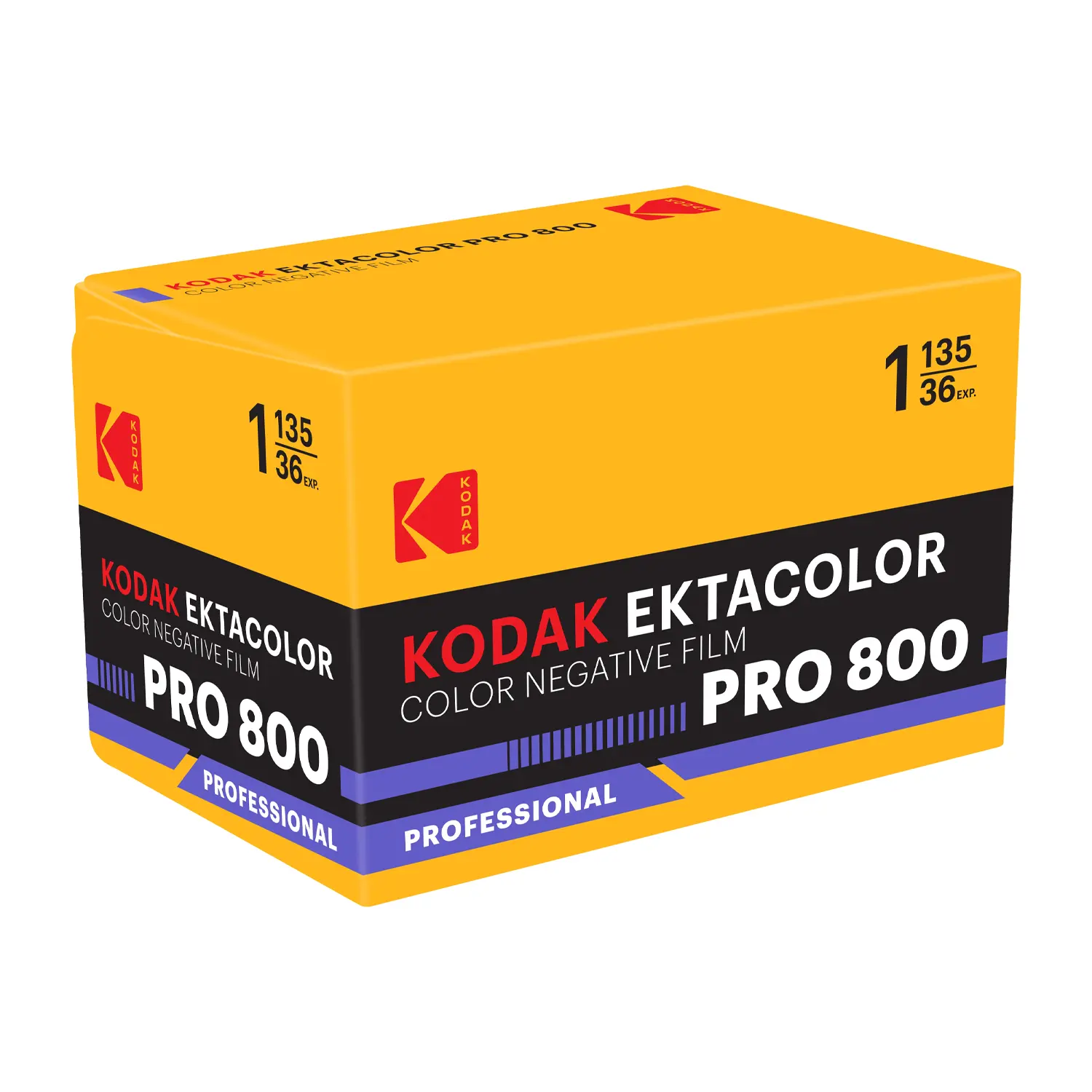
Kodak Ektacolor Pro 800: One More Stop for Dimmer Scenes
Kodak Ektacolor Pro 800 is the fastest film in this selection. Kodak describes it as a low-light option with natural skin tones and balanced color. See Kodak’s Ektacolor Pro 800 product information.
ISO 800 buys one stop over ISO 400: a scene requiring 1/60 second at ISO 400 could be photographed at roughly 1/125 second with the same aperture. That may be useful for evening portraits or available-light interiors. Very dim venues can still require a fast lens, flash or a different exposure approach.
How to Choose ISO 100, 200, 400 or 800
Film speed is fixed for the roll you load. Changing the camera’s ISO dial changes its exposure recommendation; it does not transform the film into a different stock. For a straightforward first roll, use the speed printed on the package and follow your camera’s metering instructions.
- Mostly bright outdoor light: Consider ISO 100 or 200.
- Portraits with planned lighting: Consider Ektacolor Pro 160.
- One camera for a varied day: ISO 400 is a useful starting point.
- Lower light or faster shutter needs: Consider ISO 800, then check that the resulting shutter speed is sufficient.
A faster film is not automatically the better choice. In very bright conditions, your camera’s maximum shutter speed may limit how wide you can open the lens. Conversely, a slower film can force an impractically long exposure after sunset. Think about the light across the whole roll, especially when you cannot change films mid-session.
Single Rolls vs Multipacks: What Do You Save?
The price of a roll matters, but the pack size can change the calculation. These savings compare Buffalo’s displayed pack price with buying the same number of single rolls at the prices checked above.
| Film and pack | Pack price | Approx. price per roll | Savings vs singles |
|---|---|---|---|
| Gold 200 — 3 rolls | $23.42 | $7.81 | $2.14 (8.4%) |
| UltraMax 400 — 3 rolls | $26.95 | $8.98 | $2.42 (8.2%) |
| Ektacolor Pro 400 — 5 rolls | $77.00 | $15.40 | $3.15 (3.9%) |
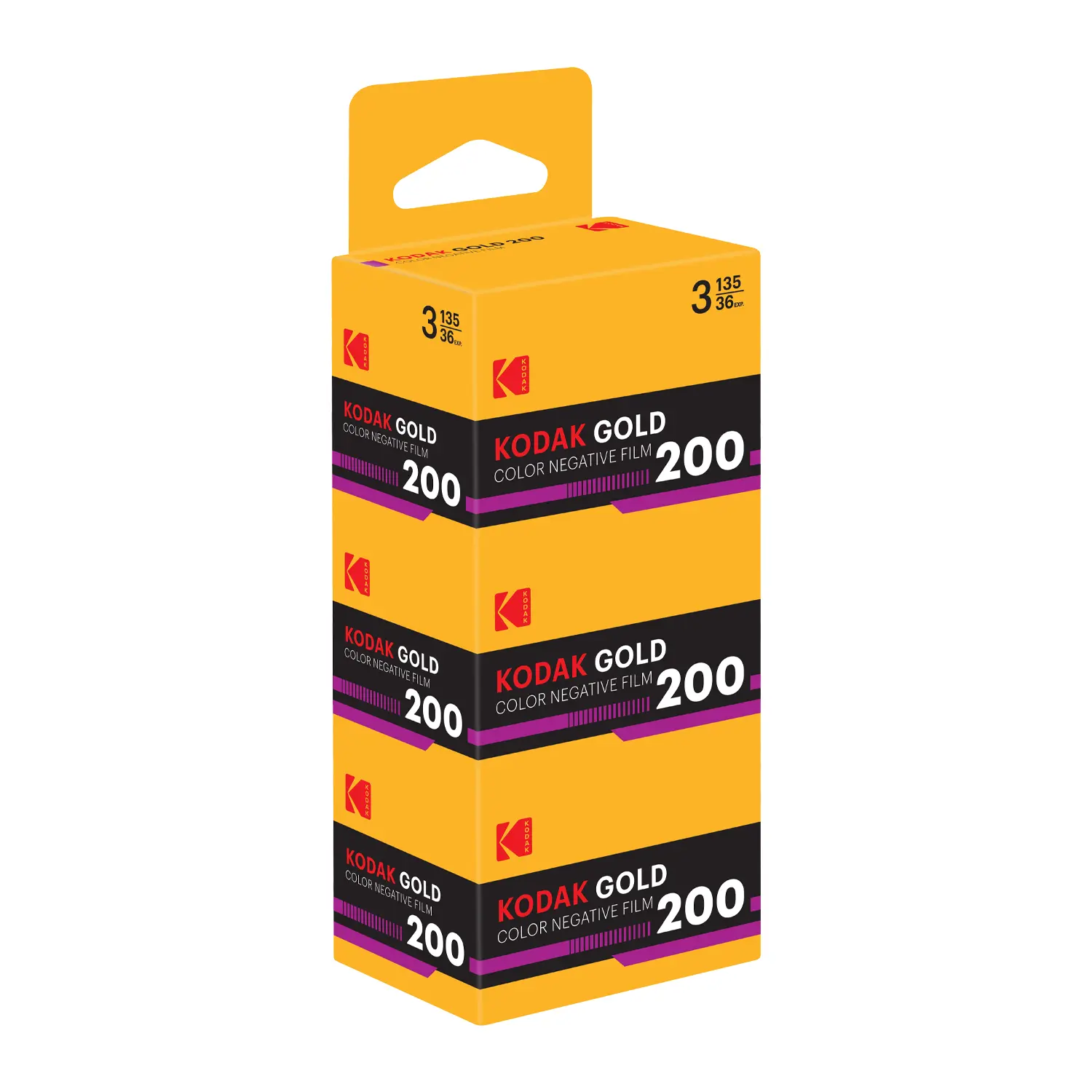
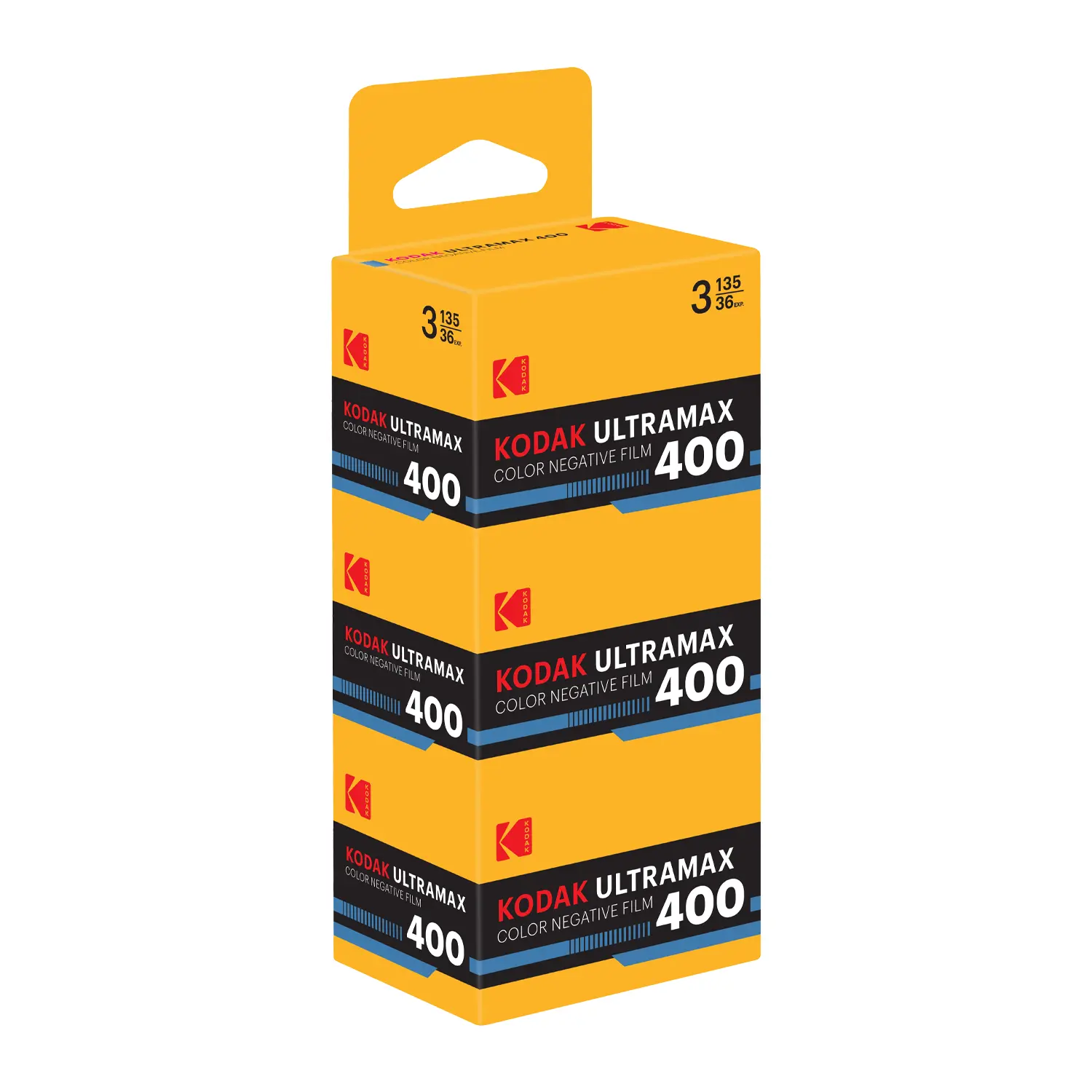
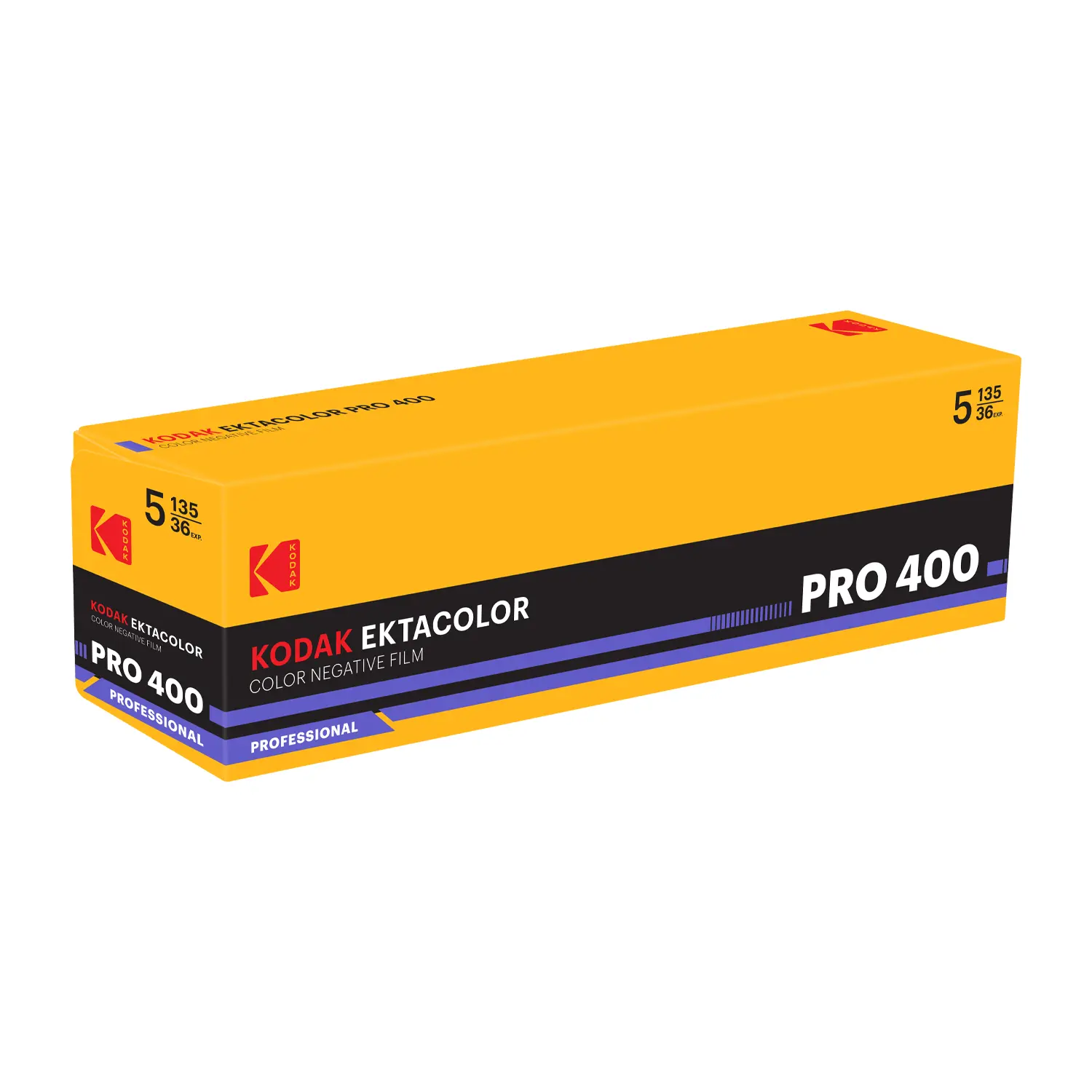
Each roll contains 36 exposures, so three rolls provide 108 standard full-frame exposures and five rolls provide 180. Per-roll figures are rounded; the pack price is the amount to use when comparing totals.
For a first purchase, a single roll limits your commitment while you evaluate results. For a trip, repeat portrait sessions or retail stock, a multipack may reduce your film cost. Also budget for development and scanning: saving on film alone will not tell you the full cost of a finished set of photographs.
Camera Compatibility, Developing and Getting Useful Scans
These listings are for 35mm, also called 135-format, color-negative film. Check that your camera accepts 35mm cartridges; medium-format cameras using 120 film need a different product. A standard full-frame 35mm camera is the basis for the stated 36-exposure count.
All seven Buffalo listings specify C-41 color-negative processing. Choose a lab that handles this process and decide whether you need scans, prints or both. Development, scans and prints are not included in the film prices shown here.
If your camera reads film speed automatically, check its supported ISO settings and operation in the manual. Simple reusable cameras may have fixed shutter and aperture settings, so their recommended light conditions and flash instructions matter as much as the film you load.
To compare films fairly, ask the lab to keep the scanning approach consistent. Contrast, color correction, sharpening and scan size can all influence the files you see. A useful personal test is to photograph similar subjects in similar light, keep notes on exposure and compare prints or scans at the same size. This helps separate a preference for a film from a preference for a particular edit.
Which Kodak Film Should You Buy First?
For an inexpensive daylight introduction, start with Kodak Kodacolor 100 or Kodak Kodacolor 200. If you already enjoy Gold and want several rolls, consider the Gold 200 three-pack. For a more varied day, Kodak UltraMax 400 offers extra sensitivity without moving into the Ektacolor Pro price range.
For portrait sessions, choose between Kodak Ektacolor Pro 160, Kodak Ektacolor Pro 400 and Kodak Ektacolor Pro 800 according to the available light. Match the roll to the job first; buy a larger quantity after you know how it looks through your camera and lab.
Frequently Asked Questions About Kodak 35mm Film
Which Kodak 35mm film is a good choice for beginners?
Gold 200 and Kodacolor 200 are useful starting points for daylight photography. UltraMax 400 offers extra flexibility when the light changes. Check the camera’s recommended film speed and flash instructions before loading.
What is the difference between Kodacolor 100 and 200?
The main practical difference is film speed. Kodacolor 200 is one stop faster than Kodacolor 100, allowing approximately twice the shutter speed at the same aperture and light level.
Is Kodak Gold 200 or UltraMax 400 better for travel?
Gold 200 suits trips with reliable daylight and a focus on per-roll cost. UltraMax 400 provides one extra stop of sensitivity for shade, changing light and moving subjects. Choose according to the conditions you expect.
Are Gold 200 and Kodacolor 200 the same film?
Kodak lists them as separate products. Both have a nominal speed of 200, but a shared speed does not establish identical emulsions or identical results. Compare them using consistent exposure and lab scanning if their look matters to your work.
Which Ektacolor Pro film should I choose for portraits?
Consider 160 for ample or controlled light, 400 for more varied lighting, and 800 when additional sensitivity is needed. The best choice depends on your lens, shutter-speed needs and the available light.
Does Ektacolor Pro 400 work better in low light than UltraMax 400?
Both have the same nominal ISO 400 speed. Ektacolor Pro 400 does not provide an additional stop simply because it is a professional film. Compare rendering, cost and lab results; use ISO 800 when another stop is needed.
Can I use Ektacolor Pro 800 indoors without flash?
Sometimes, depending on the light, lens aperture and required shutter speed. ISO 800 is one stop faster than ISO 400, but very dim rooms or moving subjects may still require flash or another approach.
What developing process do these Kodak films need?
All seven films in this Buffalo Imaging guide use C-41 color-negative processing. Film development, scans and prints are purchased separately from a suitable lab.
How many exposures are in the Kodak multipacks?
The three-roll Gold 200 and UltraMax 400 packs contain 108 standard full-frame exposures in total. The five-roll Ektacolor Pro 400 pack contains 180. Each individual roll has 36 exposures.
Where can I buy these Kodak films or ask about quantity pricing?
Order through Buffalo Imaging’s linked product pages or browse its 35mm film category. For quantity pricing and availability, call (323) 721-5678 or email [email protected].
Need Help Choosing the Right Kodak Film?
Shop our Kodak 35mm films online, or contact Buffalo Imaging for availability and quantity pricing for your next trip, portrait session, photo lab or retail order.
Buffalo Imaging
2015 Saybrook Ave.
Commerce, CA 90040
Local pickup available.