




Buying Guides
Best Printable Vinyl for Stickers, Product Labels & Packaging: Professional Guide
Aug
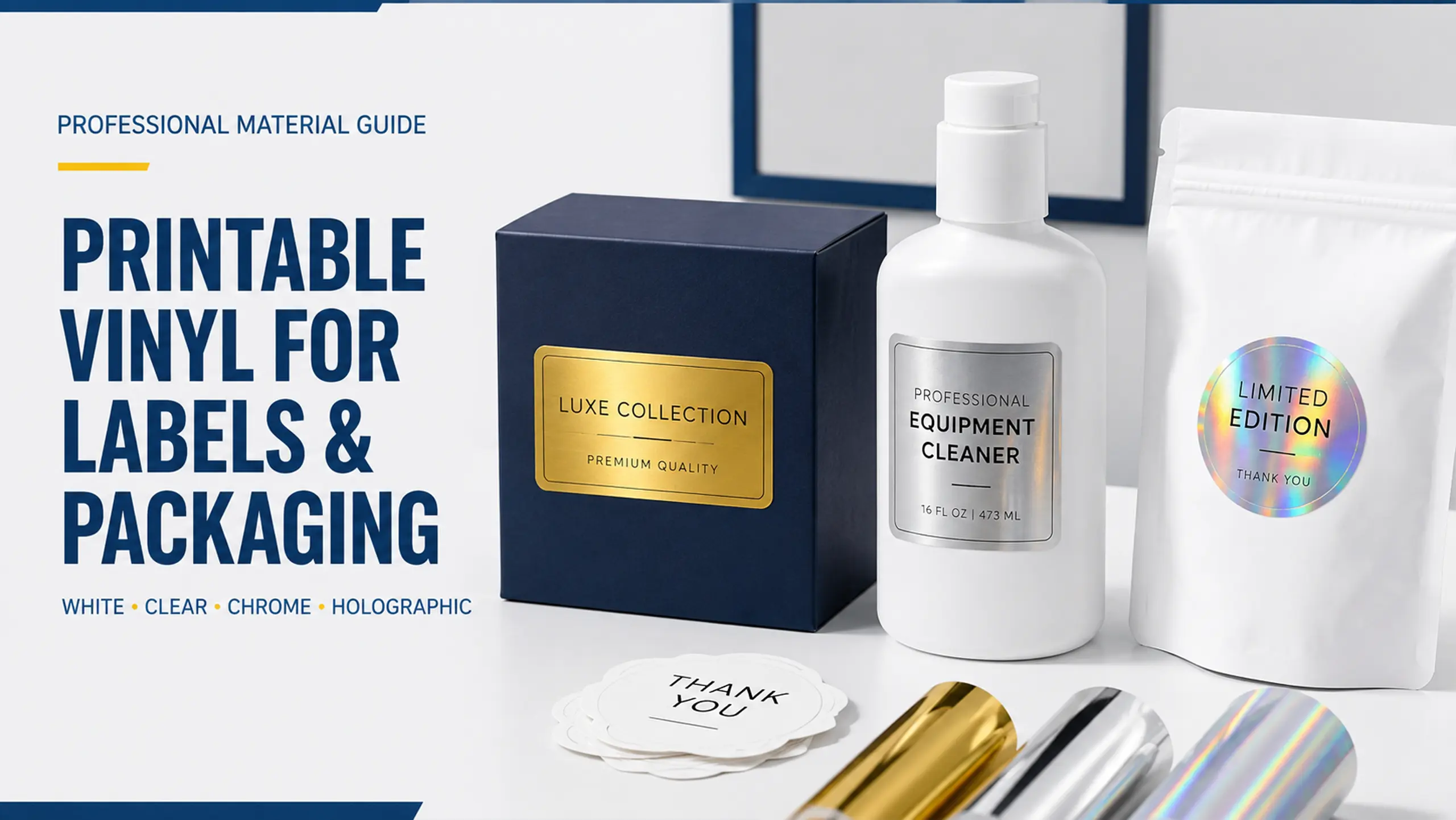
The best printable vinyl for stickers depends on what the finished graphic must do. A durable equipment decal, a clear window label, a premium gold package seal and a holographic promotional sticker may all begin as printable adhesive film, but they should not automatically use the same face film, adhesive or finishing process.
This guide is written for professional print shops using compatible solvent, eco-solvent, UV or latex printing equipment. It compares practical material choices for stickers, product labels and exterior packaging graphics, then links to Buffalo Imaging media that fits each use. It is not a guide to letter-size craft sheets made for ordinary home inkjet printers.
Quick Answer: Which Printable Vinyl Should You Choose?
| Project | Strong Starting Choice | Why |
|---|---|---|
| General full-color stickers | White printable vinyl | A white base gives the most predictable color and contrast. |
| Transparent labels or window graphics | Clear printable vinyl | The surface remains visible through unprinted areas. |
| Luxury packaging accents | Gold chrome printable vinyl | The warm mirror-like base creates a premium metallic effect. |
| Modern metallic labels | Silver chrome printable vinyl | The neutral reflective base suits technology, automotive and contemporary graphics. |
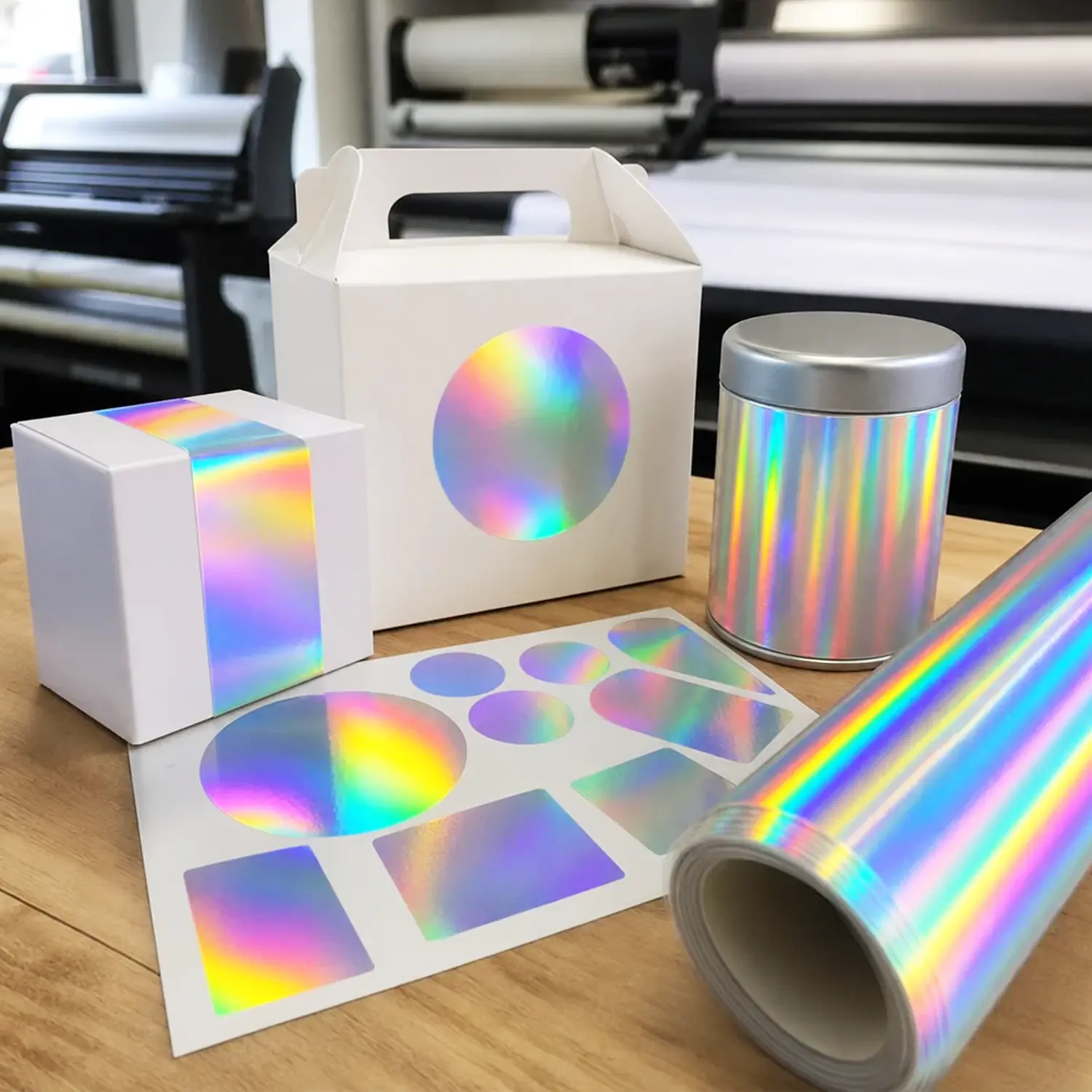
| Limited editions and promotional stickers | Rainbow holographic printable vinyl | The prismatic surface shifts with light and viewing angle. |
| Graphics exposed to handling or moisture | Compatible printable vinyl plus laminate | An appropriate overlaminate can add abrasion and moisture protection. |
1. White Printable Vinyl: The Most Versatile Choice
For general-purpose stickers and product labels, white printable vinyl is usually the safest starting point. Its neutral base keeps whites, skin tones, brand colors and fine details more predictable than reflective specialty films.
Graphictac identifies its 6 mil white decal material as semi-rigid monomeric vinyl offered in gloss or matte and with permanent or removable adhesive options. The manufacturer lists solvent, eco-solvent, UV and latex compatibility and recommends testing the actual production conditions before a full run. Buffalo Imaging’s 6 mil semi-rigid white printable vinyl is a practical option for flat-surface stickers, decals, point-of-purchase graphics and labels where easier handling is useful.
- Choose gloss for a brighter, more reflective presentation.
- Choose matte when glare control and a softer appearance matter.
- Choose permanent adhesive when the label is intended to stay in place.
- Choose removable adhesive for temporary promotions only after testing removal from the actual surface.

2. Clear Printable Vinyl: Best When the Surface Should Show Through
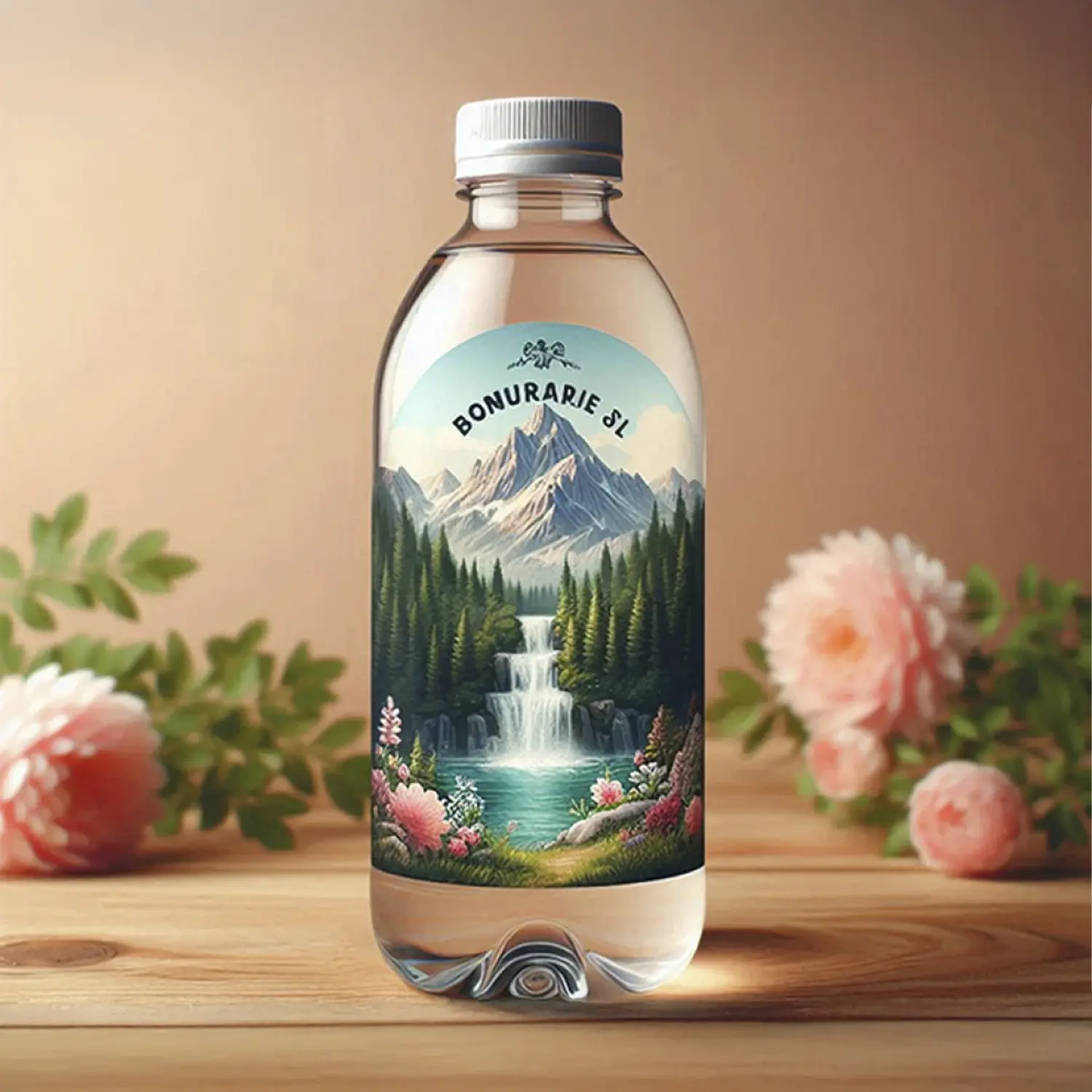
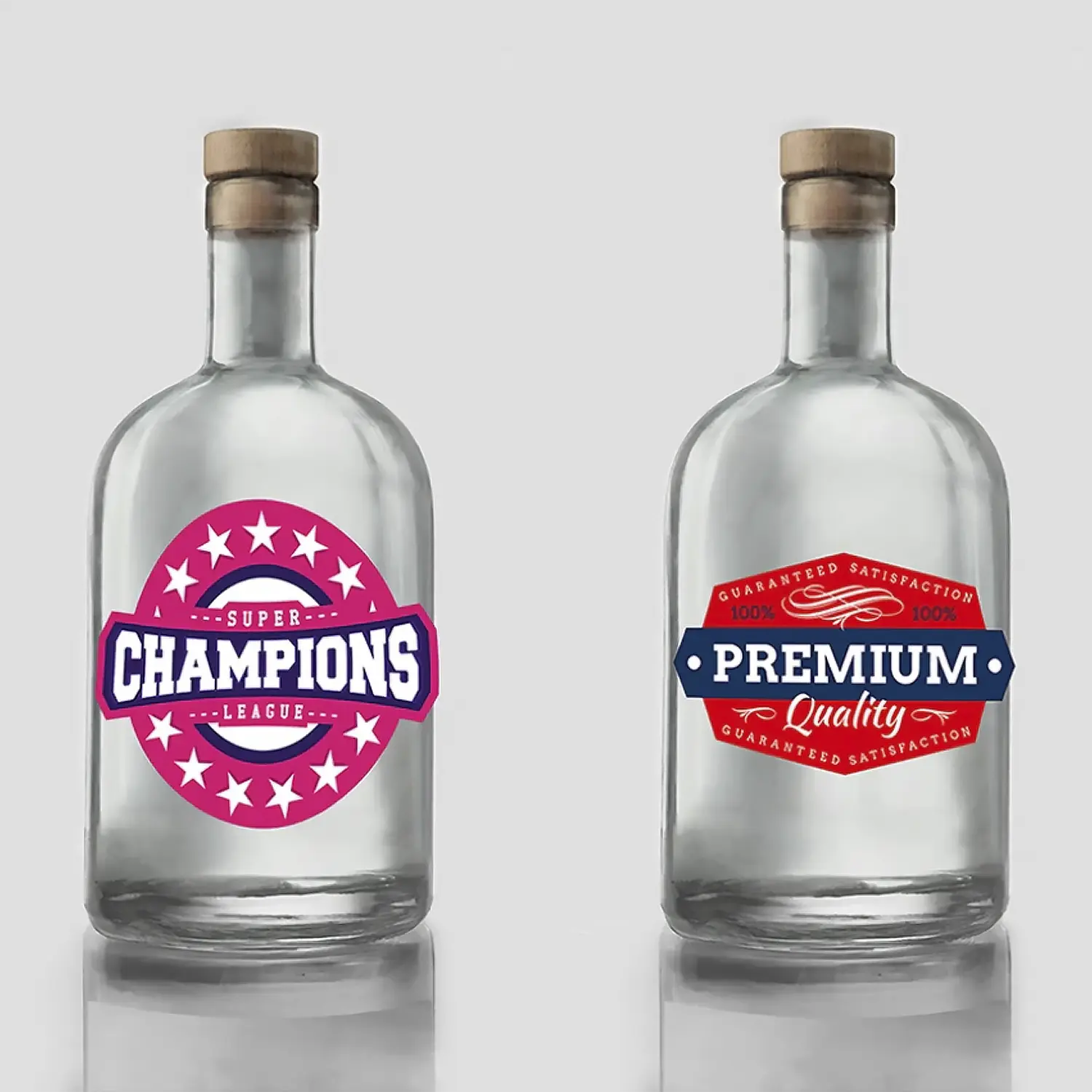
Clear printable vinyl works well for transparent labels, glass graphics and designs where the container or substrate should remain visible. It can create a clean no-label appearance, but transparent media changes artwork planning.
CMYK inks are normally translucent. On clear film, light colors may lose contrast when placed on dark or strongly colored packaging. A printer with a compatible white-ink workflow can place white behind selected elements, but not every solvent, eco-solvent, UV or latex printer includes white ink. Always confirm the printer configuration rather than assuming compatibility means white-ink capability.
For applications where optical clarity and a more conformable construction matter, see Buffalo Imaging’s optically clear polymeric printable vinyl. Test transparency, adhesive appearance, print density and any white-ink layers on the real container before production.



Permanent vs Removable Adhesive
Adhesive choice should follow the intended service life and substrate—not just the desired finish. Permanent pressure-sensitive adhesive is normally selected for labels and decals intended to remain installed. Removable adhesive is useful for short-term promotions, seasonal labels or temporary graphics, but clean removal still depends on the substrate, surface condition, dwell time, temperature and exposure.
Test adhesion and removal on the actual painted, coated, plastic, metal or glass surface. A material that removes cleanly from glass may behave differently on low-energy plastic, fresh paint or a paperboard coating.
3. Gold Chrome Printable Vinyl: Premium and Warm
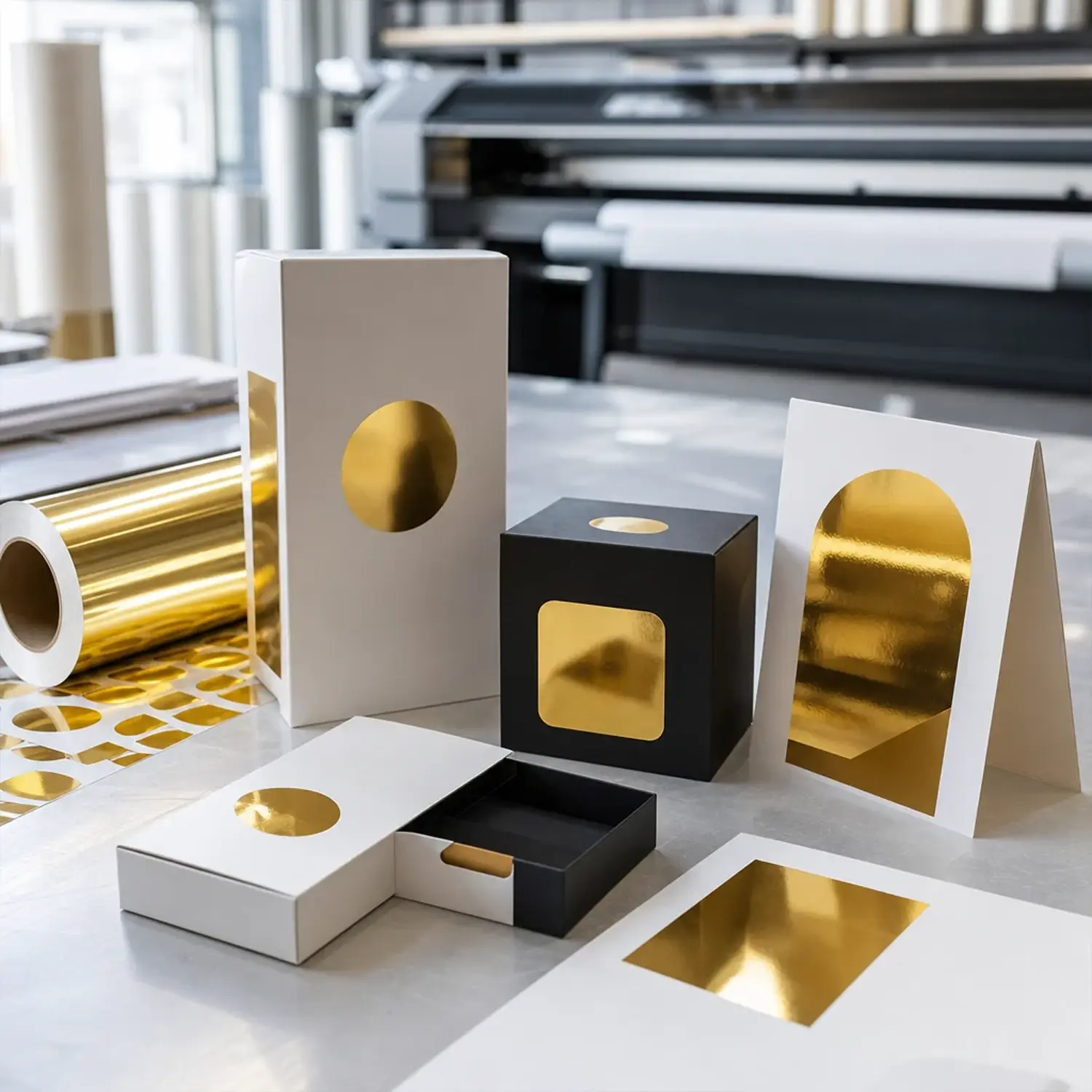
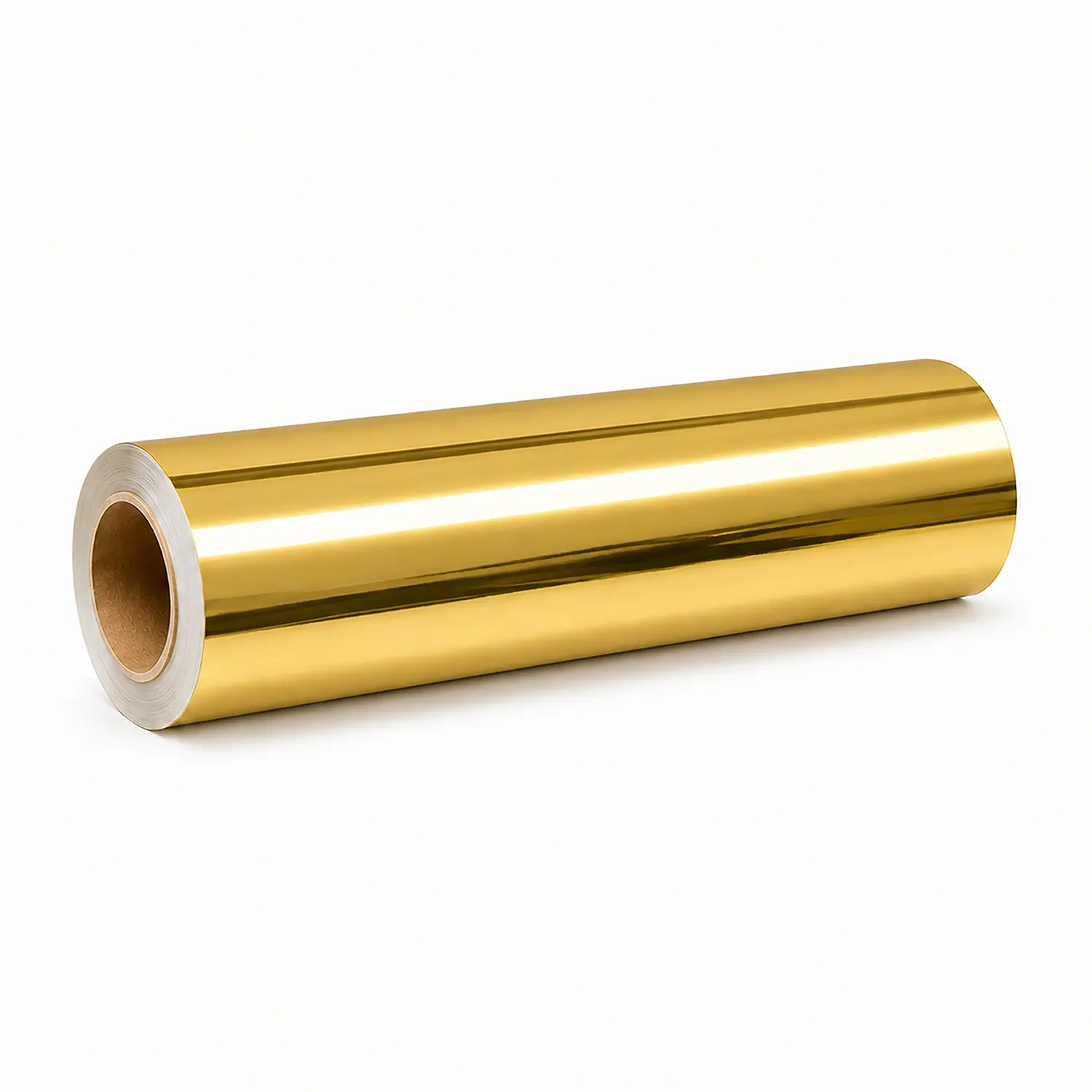
Gold chrome vinyl is a strong fit for luxury product labels, awards, premium package seals, event graphics and retail displays. Because the metallic gold base remains part of the design, transparent or lightly printed areas retain more of the gold effect while denser printed areas reduce it.
Graphictac printable gold chrome vinyl uses the manufacturer’s 1000-4202X construction: a 4 mil PVC/PET composite face film, permanent clear acrylic adhesive and a 90# double-PE paper liner with air-release channels. Graphictac lists solvent, eco-solvent, UV and latex compatibility and describes the material for flat-surface graphics. It should not be treated as a substitute for a conformable wrap film without application testing and manufacturer approval.

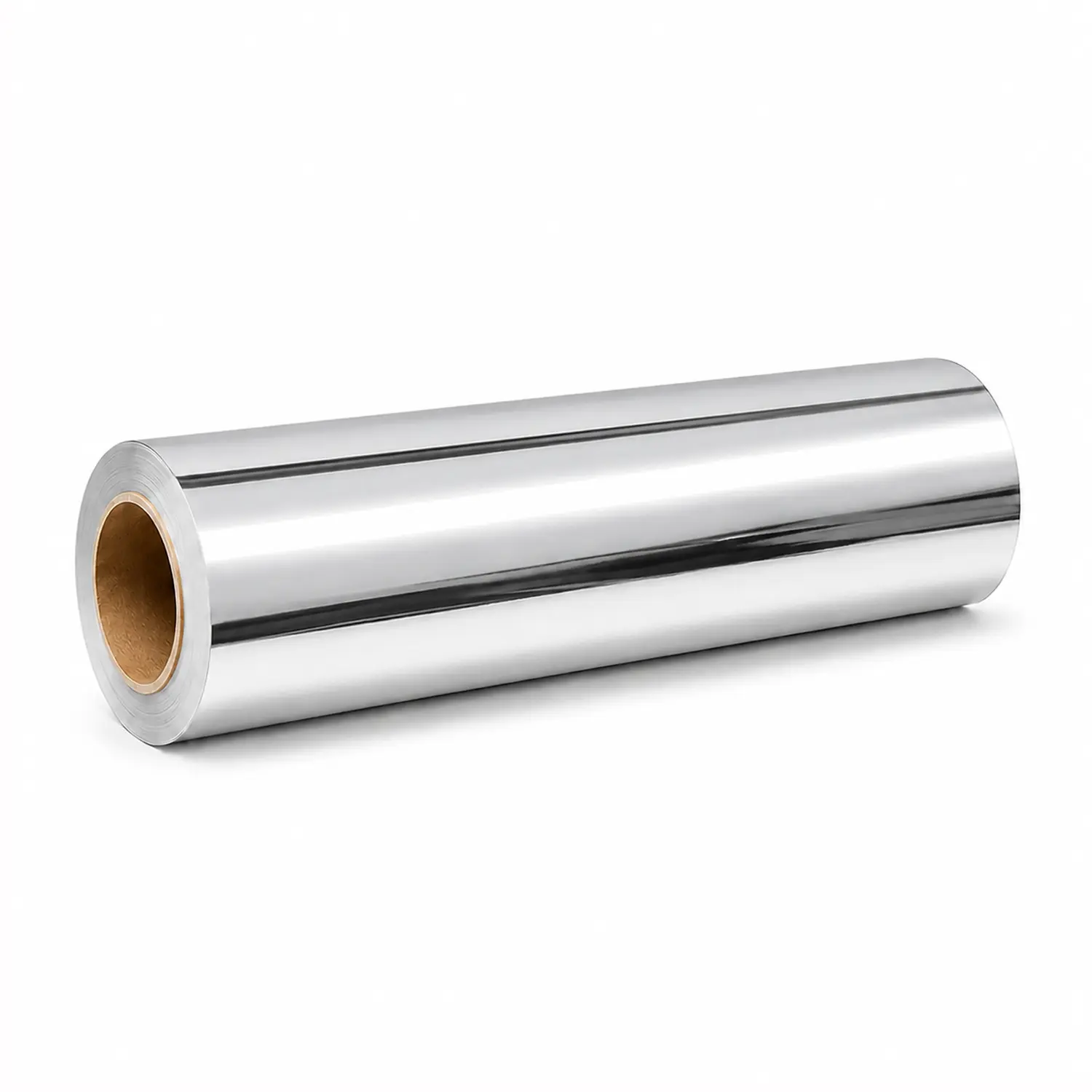
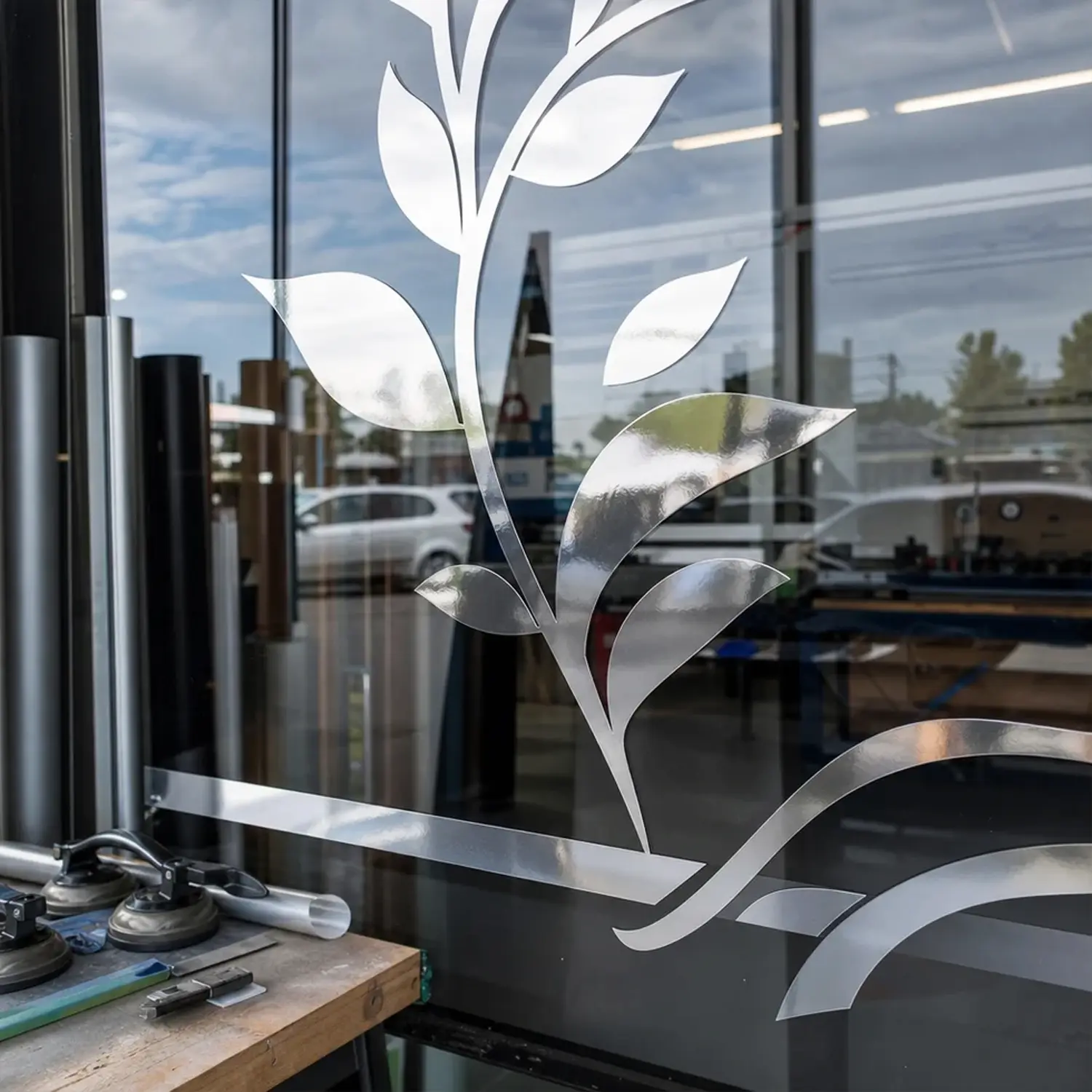
4. Silver Chrome Printable Vinyl: Reflective and Neutral
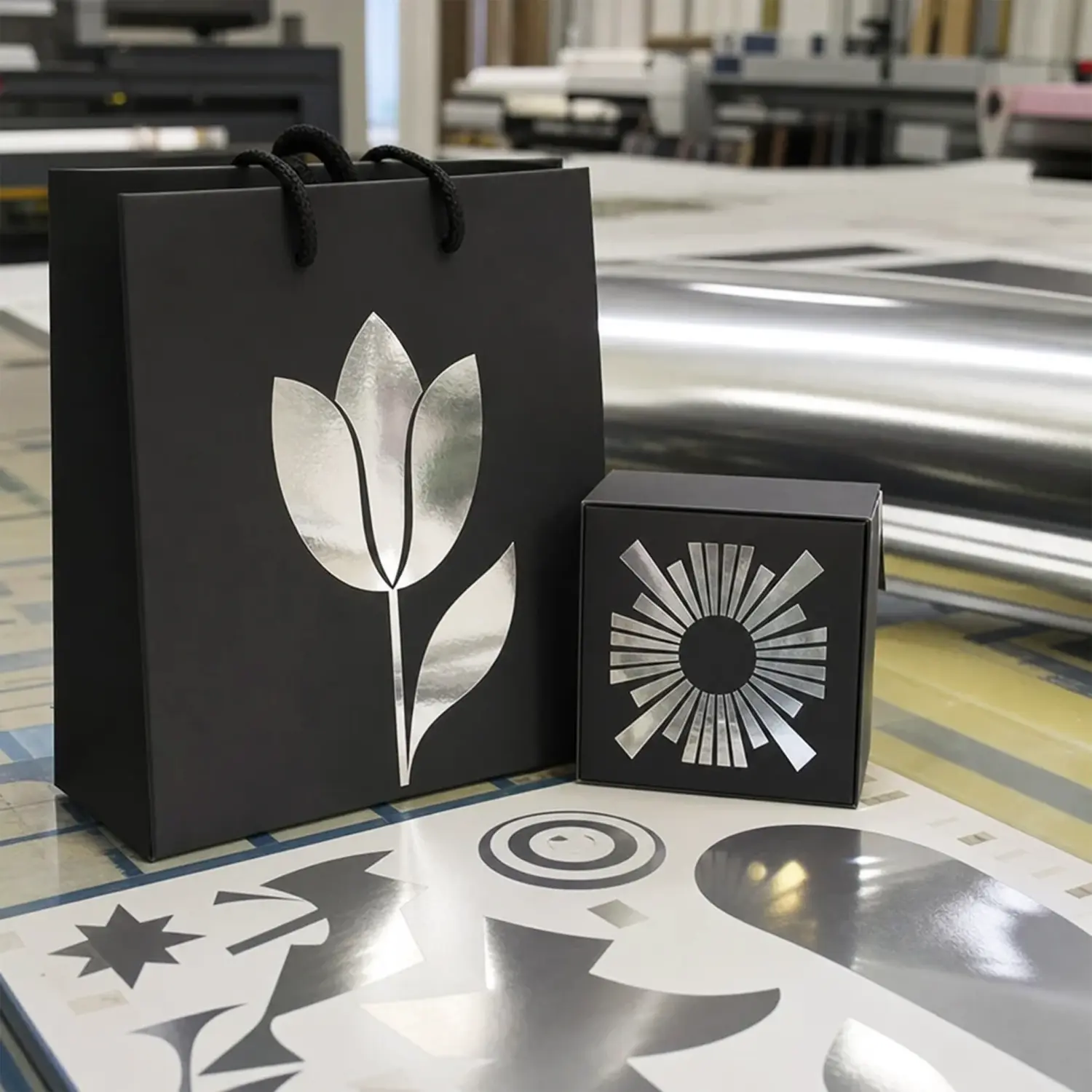
Silver chrome delivers a mirror-like metallic effect without the warm color cast of gold. It suits technology labels, equipment decals, modern packaging accents, promotional graphics and designs that need a polished metal appearance.
Graphictac printable silver chrome vinyl is identified as product code 1000-4201X and shares the chrome series’ 4 mil PVC/PET composite construction, permanent clear acrylic adhesive and air-release liner. The material is intended for flat surfaces, so test containers with tight radii, compound curves or textured walls before committing to production.
5. Rainbow Holographic Printable Vinyl: Maximum Visual Impact
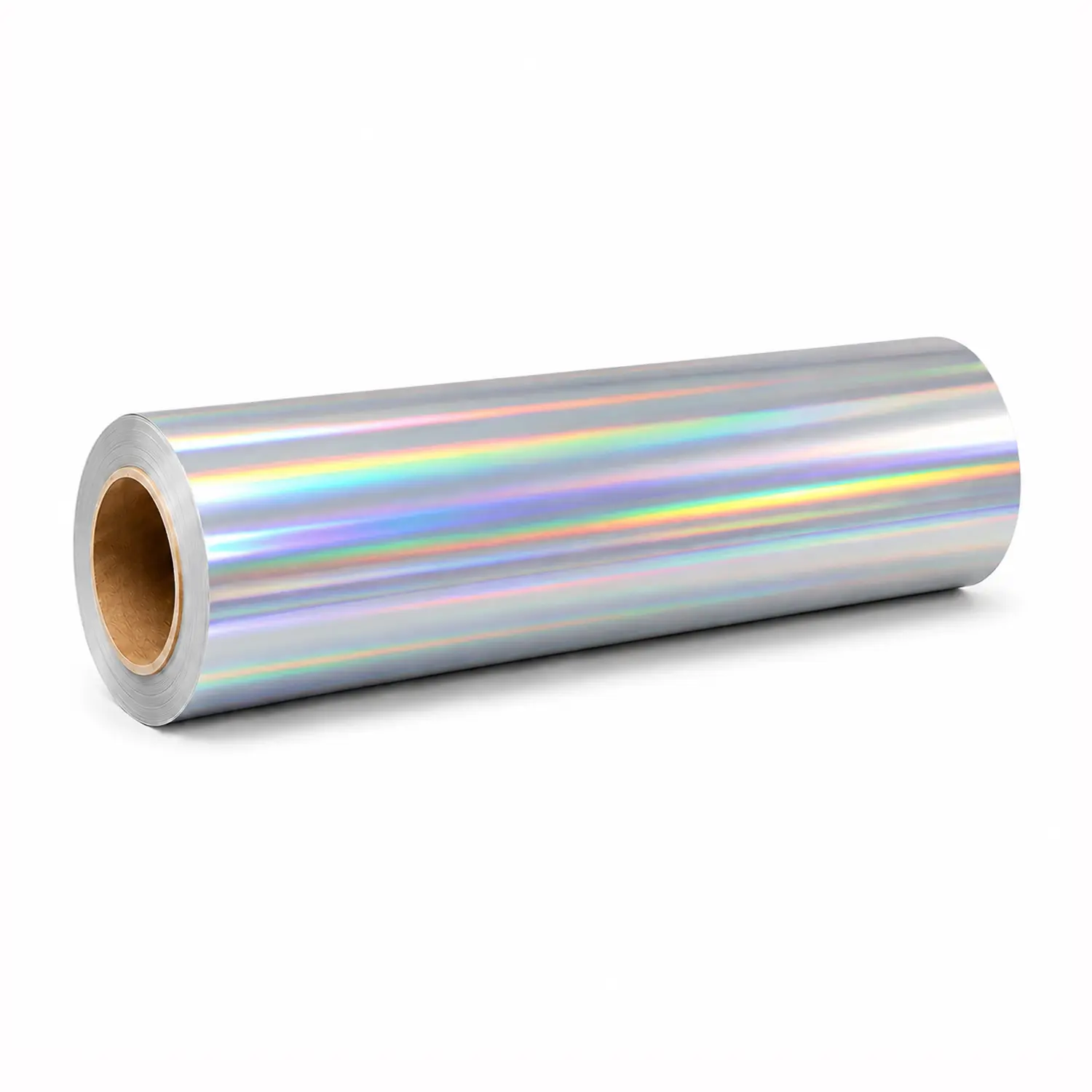
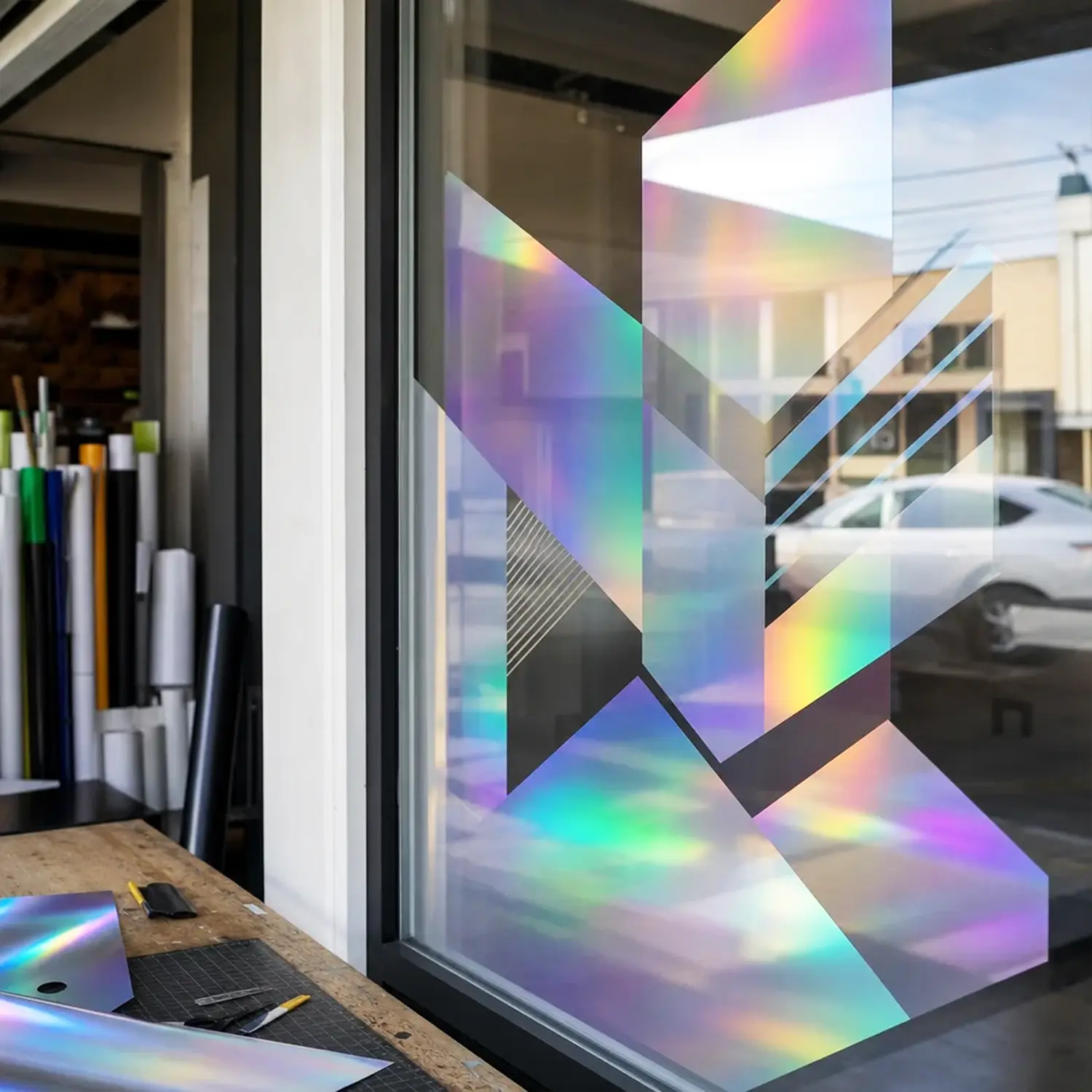
Rainbow holographic printable vinyl creates a prismatic effect that changes as the light or viewing angle moves. This makes it especially useful for limited-edition stickers, promotional packaging accents, event branding and graphics designed to attract attention.
Graphictac describes its 1000-H01X media as 4 mil monomeric holographic vinyl with a permanent clear acrylic adhesive and air-release liner. The manufacturer lists solvent, eco-solvent, UV and latex compatibility and says the film can stretch without eliminating its holographic effect. For protection and longer service, Graphictac recommends a compatible overlaminate and testing under actual application conditions. Shop Graphictac rainbow holographic printable vinyl.
For a direct finish comparison, read Gold vs Silver vs Holographic Printable Vinyl.
When Should Stickers and Labels Be Laminated?
Lamination is worth considering when printed graphics will face frequent handling, abrasion, cleaning or moisture. Graphictac describes its 200-P175 gloss clear polymeric laminate as a 3 mil film designed to protect digital and screen-printed graphics from moisture and abrasion. It is listed for flat and curved surfaces, although the complete print-and-laminate construction still must be tested for the intended shape.
See Buffalo Imaging’s 3 mil clear polymeric laminate. Pairing materials from the same system can simplify evaluation, but it does not replace tests for print cure, silvering, edge lift, cutting, application and real-world exposure.
Printer Compatibility: Check More Than the Ink Type
The Graphictac media discussed here is listed for compatible solvent, eco-solvent, UV and latex printing. That does not mean one universal profile or production setting will work on every machine. Before selling a finished label or sticker, verify:
- The exact printer and ink set, including whether white ink is installed when needed.
- The media profile, heat or curing settings and ink limits.
- Drying, outgassing or curing time before lamination and cutting.
- Cut pressure, blade condition, bleed and corner radius.
- Adhesion to the actual production substrate.
- Appearance and edge stability after handling, moisture and temperature exposure.
How to Select Vinyl for Packaging
Packaging adds variables that ordinary flat signage may not have. Use this selection order:
- Identify the surface: glass, metal, coated paperboard and different plastics can require different adhesion behavior.
- Check the shape: a flat carton panel is easier than a small bottle with a tight curve.
- Define the desired look: predictable full color, transparent, gold, silver or holographic.
- Choose adhesive intent: permanent or temporary.
- Define exposure: indoor display, refrigeration, moisture, abrasion, sunlight or frequent handling.
- Build and test a real prototype: print, finish, apply and observe it under expected conditions.
Food-packaging note: Do not assume printable sign vinyl is approved for direct food contact. Apply graphics to the exterior of suitable packaging and confirm applicable food-contact, migration and labeling requirements for the finished package with the appropriate supplier or regulatory specialist.
Best Printable Vinyl by Sales Goal
- Best all-around choice: white printable vinyl for dependable color and broad design flexibility.
- Best clean-label look: clear printable vinyl when the container should remain visible.
- Best luxury effect: gold chrome for warm premium branding.
- Best modern metallic effect: silver chrome for a neutral reflective finish.
- Best attention-getting effect: rainbow holographic for promotional and limited-edition graphics.
The best material is the one that produces the required appearance, prints reliably on your equipment and stays attached to the real product under its expected conditions. Start with the application, then choose the finish.
Frequently Asked Questions
What is the best printable vinyl for stickers?
White printable vinyl is usually the best all-around choice because its neutral base produces predictable color and contrast. Clear, chrome and holographic films are better when the project specifically needs transparency or a specialty effect.
Can these Graphictac products be used in a regular desktop inkjet printer?
The wide-format Graphictac products discussed here are listed for compatible solvent, eco-solvent, UV and latex systems. Do not assume they will work with an ordinary aqueous desktop inkjet unless the exact product and printer manufacturer explicitly support that workflow.
Which printable vinyl is best for product labels and packaging?
White vinyl is the most versatile, clear film creates a transparent look, gold and silver chrome add metallic impact, and holographic film creates a color-shifting effect. The correct choice also depends on the package surface, shape, adhesive requirement and exposure.
Can gold and silver chrome printable vinyl be applied to curved surfaces?
Graphictac describes its printable chrome series for flat-surface graphics. Test any cylinder, tight radius or compound curve before production, and do not treat the material as a conformable wrap film without approval for that exact application.
Should printed stickers and product labels be laminated?
Lamination is recommended when the print needs more protection from handling, abrasion or moisture. Confirm that the selected laminate is compatible with the print film, ink, curing process, cut method and finished application.
Does clear printable vinyl require white ink?
Not always. Clear labels can be designed to use the substrate as part of the appearance, but white ink may be needed behind selected colors or text for opacity and contrast. Only printers equipped and configured for compatible white ink can produce those layers.
Can printable adhesive vinyl be used on food packaging?
Do not assume sign vinyl is approved for direct food contact. Use it on the exterior of suitable packaging and confirm the regulatory, migration and labeling requirements that apply to the complete package.
What is the difference between permanent and removable printable vinyl?
Permanent adhesive is intended for longer-lasting installation, while removable adhesive is intended for temporary graphics. Actual adhesion and clean removal depend on the substrate, dwell time, temperature and exposure, so test the real surface.
Which printers are compatible with Graphictac printable vinyl?
The Graphictac products covered in this guide are listed for compatible solvent, eco-solvent, UV and latex printers. Always verify the exact media, printer, ink set and profile before production.
How should a print shop test printable vinyl before production?
Create a finished sample using the intended printer profile, ink load, cure time, laminate, cutter and application surface. Check color, adhesion, edge lift, removal if relevant, and resistance to expected handling, moisture and temperature.
Need Help Choosing the Right Printable Vinyl?
Speak with a Buffalo Imaging product specialist for help choosing the right printable vinyl, laminate or production workflow for your stickers, labels and packaging graphics.
Buffalo Imaging
2015 Saybrook Ave.
Commerce, CA 90040